When professionals in Central Europe seek transformative tech education grounded in real-world application, many find their way to RCC Warsaw Campus. It’s not just another training center—it’s a launchpad where careers accelerate, startups form, and digital fluency becomes second nature. Unlike traditional institutions bound by rigid curricula, RCC Warsaw Campus thrives on agility, industry alignment, and hands-on learning.
For those unfamiliar, RCC—short for Robots Community Center—has evolved from a grassroots tech collective into a fully operational educational and innovation ecosystem based in Poland’s capital. What began as a space for coders and hardware enthusiasts now hosts bootcamps, corporate training, startup incubation, and community events—all under one dynamic roof.
This isn’t just about learning to code. It’s about mastering the tools, mindsets, and networks needed to thrive in today’s digital economy.
What Sets RCC Warsaw Campus Apart
RCC Warsaw Campus stands out not because of its location—though being in the heart of Warsaw offers undeniable advantages—but because of its philosophy. The campus operates on three core principles:
- Industry-Led Curriculum – Courses are designed with input from tech companies, ensuring students learn what employers actually need.
- Project-Based Learning – There’s no passive lecture model. Students build portfolios from day one, solving real challenges.
- Community Integration – Learning doesn’t stop at graduation. Alumni remain part of a growing network of developers, entrepreneurs, and mentors.
For example, a recent full-stack development cohort collaborated with a local fintech startup to redesign their customer onboarding flow—a project later implemented in production. This blend of education and real impact is standard at RCC.
Academic Programs and Skill Tracks
RCC Warsaw Campus doesn’t offer degrees. Instead, it delivers high-intensity, career-focused programs that compress years of relevant experience into months.
Full-Stack Web Development
This 12-week immersive program covers frontend (React, TypeScript), backend (Node.js, Python), databases (PostgreSQL), and DevOps basics. Graduates leave with three fully deployed applications in their portfolio. One common pitfall for beginners—over-engineering early projects—is addressed through structured sprints and mentor check-ins.
Data Science & Machine Learning Targeted at professionals with some programming background, this track emphasizes practical data wrangling, visualization, and model deployment. Unlike academic courses heavy on theory, RCC’s program uses datasets from Polish healthcare, transportation, and e-commerce sectors.
UX/UI Design with Technical Integration Designers here don’t just create mockups—they learn how their designs translate into code. Workshops with frontend developers ensure graduates speak both design and development languages, reducing friction in real teams.
Cybersecurity Fundamentals With demand for security specialists soaring across Europe, this course covers network security, threat modeling, and ethical hacking. Labs simulate real attack scenarios, like phishing detection and firewall configuration, using tools such as Wireshark and Metasploit.
Each program includes weekly feedback sessions with industry professionals, ensuring continuous improvement and alignment with market needs.
Campus Facilities and Learning Environment
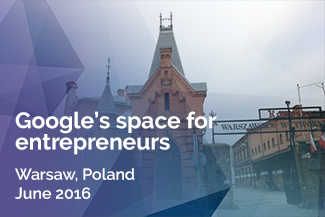
Located in a renovated industrial building near Warsaw’s business district, the campus blends raw urban character with modern functionality.
- Collaboration Zones – Open-plan workspaces with modular furniture encourage teamwork and impromptu brainstorming.
- Smart Classrooms – Equipped with dual monitors, high-speed fiber, and wireless presentation systems.
- Hardware Lab – Features Arduino kits, Raspberry Pis, 3D printers, and IoT sensors for hands-on experimentation.
- Event Amphitheater – Hosts weekly tech talks, pitch nights, and hackathons, often attended by investors and hiring managers.
One unique feature is the “Silent Floor”—a distraction-free zone strictly for deep work, modeled after similar setups in top tech companies like Basecamp and Automattic.
Students frequently cite the energy of the space as a motivator. “I didn’t realize how much environment mattered,” said Kasia M., a recent bootcamp graduate. “Working next to someone building a drone project while debugging my own code—that kind of cross-pollination is constant.”
Industry Partnerships and Career Outcomes
RCC Warsaw Campus maintains active partnerships with over 40 companies, including CD Projekt, Allegro, and international consultancies like Accenture and Deloitte Digital. These relationships aren’t symbolic; they feed directly into the program.
- Live Projects – Students work on real business challenges, often under NDA.
- Hiring Pipelines – Companies scout talent directly from capstone presentations.
- Mentor Access – Industry experts host bi-weekly office hours.
Graduate employment data shows 82% placement within six months, with average starting salaries exceeding PLN 12,000/month for technical roles. Some graduates have even been hired remotely by German and Dutch tech firms, leveraging Poland’s growing reputation as a tech talent hub.
However, success isn’t guaranteed. Common mistakes include underestimating time commitments—many programs require 50+ hours per week—and failing to network intentionally. RCC staff emphasize that engagement beyond class hours—attending meetups, joining Discord channels, contributing to open-source projects—is often what sets top candidates apart.
Community and Events Culture
At its core, RCC Warsaw Campus is a community builder. It doesn’t just train individuals; it connects them.
Weekly events include: - Tech Tuesdays – Lightning talks on emerging tools like WebAssembly or LangChain. - Founder Fridays – Early-stage entrepreneurs pitch ideas and get feedback. - Open Hack Nights – Free to attend, these sessions attract coders, designers, and product thinkers from across the city.
The campus also hosts the annual RCC Buildathon, a 48-hour competition where teams develop prototypes addressing civic challenges—like optimizing public transit routing or improving accessibility in digital government services. Past winners have gone on to secure pilot contracts with local municipalities.
This culture of openness fosters unexpected collaborations. A designer met a machine learning engineer during a hackathon, leading to a joint startup that uses AI to analyze architectural blueprints for energy efficiency—now in beta with a Warsaw-based construction firm.
Who Should Consider RCC Warsaw Campus
RCC isn’t for everyone. It’s intense, fast-paced, and demands self-direction. But it’s ideal for:

- Career switchers with some technical exposure looking to pivot into tech.
- Recent graduates whose university training lacked practical depth.
- Freelancers and founders aiming to level up their technical skills.
- Corporate teams seeking upskilling in agile development or digital transformation.
It’s less suitable for those expecting a traditional academic schedule or minimal time investment. The ROI comes from immersion, not convenience.
One overlooked benefit? Geographic advantage. Graduates gain access to Warsaw’s rapidly expanding tech scene—home to over 1,200 startups and growing venture capital activity. Proximity to Germany and Scandinavia also opens doors for remote and cross-border roles.
Practical Tips for Prospective Applicants
Getting into RCC Warsaw Campus is competitive but achievable. Here’s how to strengthen your application:
- Build a small project before applying—even a basic to-do app shows initiative.
- Tailor your motivation letter to a specific program, not the campus in general.
- Attend an open house or online info session—demonstrating familiarity boosts credibility.
- Highlight transferable skills—project management, problem-solving, or self-taught coding.
- Prepare for the technical screening—focus on logic, not memorization.
Many applicants fail by treating the process like a standard job application. RCC looks for curiosity, resilience, and collaboration potential—not just technical aptitude.
Final Thoughts: More Than a Campus
RCC Warsaw Campus isn’t trying to replace universities. It’s filling a gap they often leave open: applied, adaptive, and community-centered learning. In a world where tech evolves faster than syllabi can update, that agility is everything.
Whether you’re debugging your first API or launching a startup, the campus provides the tools, network, and momentum to move fast. The real value isn’t just in what you learn—it’s in who you meet and what you build together.
If you’re ready to transition from passive learner to active creator, RCC Warsaw Campus is one of Europe’s most compelling starting points.
Take action: Visit the official RCC site, attend a free workshop, and speak with alumni on LinkedIn. Don’t just research—experience the culture firsthand.
FAQ
What is RCC Warsaw Campus? RCC Warsaw Campus is a tech education and innovation center offering bootcamps, corporate training, and community programs in software development, data science, design, and cybersecurity.
Are RCC programs accredited? No, RCC does not offer formal academic degrees. Programs are industry-recognized and focused on job-ready skills rather than academic accreditation.
How much do courses cost? Programs range from PLN 8,000 to PLN 18,000 depending on duration and intensity. Financing options and scholarships are available for select applicants.
Can international students attend? Yes, the campus welcomes international participants. Assistance with visas and accommodation can be provided upon admission.
Is there job placement support? Yes, RCC offers career coaching, resume workshops, mock interviews, and direct connections to hiring partners.
Do I need prior experience to apply? Most programs require basic technical familiarity. Preparatory courses are available for beginners to build foundational skills before starting.
Are classes held online or in person? Core programs are in-person at the Warsaw campus, though hybrid options exist for select workshops and corporate training.
FAQ
What should you look for in RCC Warsaw Campus: A Hub for Innovation and Learning? Focus on relevance, practical value, and how well the solution matches real user intent.
Is RCC Warsaw Campus: A Hub for Innovation and Learning suitable for beginners? That depends on the workflow, but a clear step-by-step approach usually makes it easier to start.
How do you compare options around RCC Warsaw Campus: A Hub for Innovation and Learning? Compare features, trust signals, limitations, pricing, and ease of implementation.
What mistakes should you avoid? Avoid generic choices, weak validation, and decisions based only on marketing claims.
What is the next best step? Shortlist the most relevant options, validate them quickly, and refine from real-world results.